
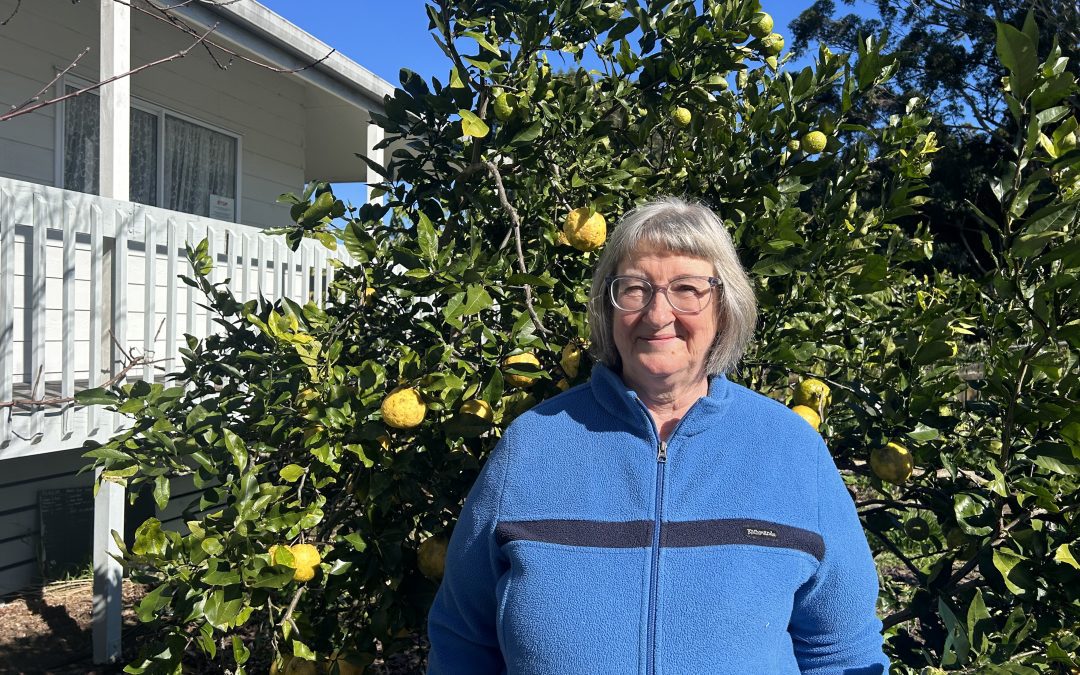
I grew up in New Zealand until I was 15. I was born in Taumarunui and lived just outside of Rātāhi – a tiny place to begin with. We left for Auckland when I was six, but the country had worked its way into my psyche, my heart. So I’ve always lived outside whatever towns I’ve been in. My dad was Canadian, my mum was Kiwi, and so when I was 15 they decided we’d go back to Canada, so we immigrated.
I started my university studies in Canada, but I just wanted to come home. I came back to finish my BA at Auckland, returned to Canada for more study, then came back again for my Master’s. New Zealand was very much home. Canada is a lovely place, but it just never became home.
But I wanted to teach at university, and for that I needed a PhD. At the time, New Zealand wasn’t hiring its own PhDs — you had to go away first. So I went back to Canada and did my PhD in Toronto — Canada’s biggest city. Moving from a country of three million to a city of three million was a bit of a culture shock. By the time I finished, New Zealand had started hiring its own PhDs, so I couldn’t get back — there were no jobs. So I stayed. I ended up with a permanent teaching job in a nice, smallish town & built a life there. I taught at that university for 34 years. I loved my students and my job — except the marking!
In 2020, I was on holiday from Canada — my first time home to New Zealand in 30 years. I was supposed to be here for six weeks, traveling from Kaitaia down to Christchurch. I was in Christchurch when COVID lockdown hit – five days from flying out, with nowhere to go. So I called my close friends in Kaitaia. I said, “I have nowhere to go & we don’t know how long this lockdown is going to last.” They said, “Absolutely, come on home.”
After lockdown, I tried to leave back to Canada four times. Every time I booked a flight, it was cancelled. Meanwhile, I was still teaching at the university.
I was teaching courses online from here, getting up at 5am for my 10am Canadian classes, working 100-hour weeks, it was exhausting. And I thought: I can’t do another year of this. I was past retirement age anyway. So, I retired and stayed in the Far North. But I’m not someone who sits at home playing bridge. I still wanted to be useful. A friend told me to check out Eco Centre. I walked in on a day when Jo Shanks was there and said, “I’d like to volunteer.” She said, “We don’t want you here… we want you in the garden!” I didn’t even know there was a community garden! I started volunteering and became garden coordinator a year later – four years on, I’m still here.
I’ve always grown kai. I had a lifestyle block with various farm animals, a half-acre organic market garden and a one-acre organic food forest in Canada for over 20 years. I did that partly because I’d started researching in the 90s what was going on with the climate. It was already not looking good. So, it was very important to me to be able to provide sustainably grown kai for people that I cared about and myself, and also to make good kai available. But gardening here in Te Hiku was a steep learning curve — different soils, subtropical climate, no snow, no frost to kill off pests. How to work with the land has been one of my biggest lessons. I work through my company, the Edible Lawn Project, helping people put kai onto their lawns—whether it’s bushes, vines, trees, fruit trees or veggie gardens or a combination.
We can grow good kai year-round in the Far North and if everybody had the skills, they wouldn’t go hungry. I now run free gardening courses through Far North REAP. Some of the things I teach include no-dig gardening, how to develop food forests & even mobile gardening for people who don’t have large spaces to work from. We also teach pruning workshops, seasonal garden planning through Eco Centre, and community gardening at the Mārā of course.
I meet a lot of people who think gardening is too hard. But it doesn’t have to be. We’ve moved past the old methods that required double-digging and breaking your back.
I teach people how to garden in ways that are sustainable, low time, low cost, and low effort. It is essential for both our health and the health of the soil, the water and the air that we grow without chemicals, and learning how to do this with maximum productivity is important. If you mow your lawn, you have time to garden. Once your garden’s established, you won’t spend more time on it than you do mowing. That’s something people don’t realise.
If you’re renting, grow in pots, fish bins, or buckets. Drill some holes, get $2.39 pots from Mitre 10, and you’re away. One pot can grow tomatoes, herbs, whatever you like. Hügelkultur is also amazing for small spaces — it’s three-dimensional gardening, and kids love it. Pile up wood, cover it with soil, and plant into it. Incredibly productive. A great way to use slash wood from paddocks.
And fruit trees? Once you stake them and protect them for a couple summers, they need barely any care. The fruit just comes. If you planted an orange tree five years ago, you’d be eating oranges now. I always say to people: get growing. Find someone to teach you. Come to the Mārā. Come to Far North REAP. Go to Eco Centre. Get the kids involved. Share land with your neighbours. If you’ve got the land and someone else has the skills, team up. Share the mahi. Share the kai!
I would tell my younger self to hang in there, because you’re going to learn a lot in your life, you know, in the good times and the bad times. And sometimes the bad times can seem very overwhelming but they shape who you become. So, hang in there because this is part of you growing. Another thing I’d tell myself is to build community. More than anything, build community. Everywhere you go. That’s the key to surviving whatever life may throw at you. Because no matter how much money you have, you won’t do as well alone as a group of less-resourced people working together. You’ll always have something to learn. Someone up here will know how to grow watercress — I don’t yet! So I need to keep learning too. Just don’t give up. Don’t think you’re too old, too busy, or too inexperienced. If you’ve got time to mow, you’ve got time to grow.